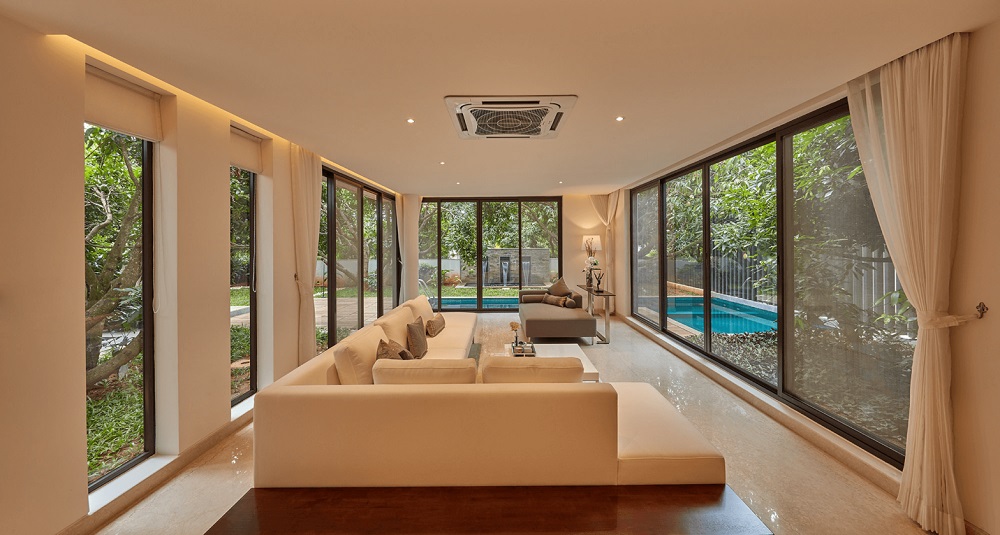
Natural light transforms a home. It enhances mood, improves visibility, reduces electricity use, and makes interiors appear larger and more inviting. Fortunately, increasing daylight indoors does not require structural changes. With thoughtful adjustments to layout, décor, and surface choices, you can significantly brighten your living space.
Rearrange Furniture to Let Light Flow Freely
Furniture placement often determines how effectively sunlight travels through a room. Large items positioned near windows can block incoming light and create shadows.
To improve brightness:
- Move bulky furniture away from windows
- Avoid placing tall cabinets directly opposite light sources
- Keep window-side areas visually open
- Position seating perpendicular rather than parallel to windows when possible
Even small shifts in layout can noticeably increase daylight distribution.
Use Light-Colored Curtains or Sheer Fabrics
Heavy drapes absorb sunlight and reduce brightness indoors. Switching to lighter fabrics allows sunlight to pass through while maintaining privacy.
Better curtain choices include:
- Sheer cotton panels
- Linen curtains in neutral tones
- Off-white or pastel shades
- Lightweight layered fabrics
These materials soften glare while preserving illumination.
Add Mirrors to Reflect Sunlight Strategically
Mirrors are among the most effective tools for increasing perceived brightness without altering structure. They multiply incoming light by reflecting it deeper into the room.
Placement tips:
- Install mirrors opposite windows
- Position mirrors along darker walls
- Use large mirrors rather than small decorative ones
- Choose slim or frameless styles for maximum reflection
A well-positioned mirror can double the visual impact of daylight.
Choose Light Wall Colors and Reflective Finishes
Wall color plays a major role in how light spreads indoors. Dark shades absorb brightness, while lighter tones reflect it.
Consider using:
- Soft whites
- Warm beige tones
- Light greys
- Pale pastels
Reflective finishes also help. Satin or eggshell paint reflects more light than matte surfaces without appearing overly glossy.
Keep Windows Clean Inside and Out
Dust and grime reduce the amount of sunlight entering a room more than most people expect. Regular cleaning improves clarity and brightness immediately.
Effective cleaning habits include:
- Washing glass surfaces monthly
- Wiping window frames and tracks
- Removing exterior dust buildup when accessible
This simple routine noticeably improves indoor lighting quality.
Replace Dark Décor With Brighter Accessories
Décor choices influence how light behaves across surfaces. Dark rugs, cushions, and artwork absorb illumination, while lighter materials reflect it.
Try these upgrades:
- Swap dark rugs for neutral ones
- Choose light cushion covers
- Use metallic or glass décor accents
- Add reflective trays or vases
Small accessory updates can dramatically enhance brightness.
Use Transparent or Glossy Furniture Materials
Furniture materials affect how light moves through a space. Transparent surfaces allow sunlight to travel without interruption.
Good options include:
- Glass coffee tables
- Acrylic chairs
- Gloss-finish cabinets
- Polished stone tabletops
These choices maintain openness and support better light flow.
Trim Outdoor Plants Blocking Windows
Outdoor greenery improves aesthetics but can sometimes limit sunlight indoors. Overgrown branches or tall shrubs often reduce daylight access.
Helpful steps:
- Trim plants near window height
- Remove dense foliage directly in front of windows
- Maintain spacing between vegetation and walls
Balanced landscaping allows both greenery and brightness to coexist.
Use Reflective Flooring or Rugs Strategically
Floor surfaces influence how light spreads upward and across a room.
To improve illumination:
- Choose light-colored rugs
- Use polished tile or laminate flooring
- Avoid heavy dark carpets in small rooms
Reflective flooring increases the sense of openness and brightness.
Keep Window Areas Clutter-Free
Decor placed directly on window ledges reduces incoming light. Even small objects can interrupt sunlight pathways.
Better alternatives include:
- Moving decorative items to side tables
- Using minimal window-frame décor
- Keeping sill surfaces clear
An uncluttered window allows daylight to enter freely and evenly.
FAQ
How can I brighten a dark room without adding new windows?
Use mirrors opposite windows, switch to lighter wall colors, and reduce furniture near light sources. These changes increase brightness without structural alterations.
Do sheer curtains provide enough privacy?
Yes. Sheer curtains allow sunlight in while maintaining daytime privacy. For evenings, they can be layered with heavier panels if needed.
Which wall color reflects the most natural light?
Soft white shades reflect the highest amount of daylight while keeping rooms visually comfortable and balanced.
Can indoor plants reduce natural lighting?
Only when placed directly in front of windows. Position plants beside windows instead of blocking them to maintain brightness.
Does floor color really affect room brightness?
Yes. Light flooring reflects sunlight upward and spreads illumination evenly across the space.
Are mirrors better than glossy paint for improving brightness?
Mirrors reflect more concentrated light, while glossy paint spreads light more subtly. Using both together produces the best results.
How often should windows be cleaned to maintain good lighting?
Cleaning windows once every month helps maintain maximum daylight entry and improves overall clarity indoors.