

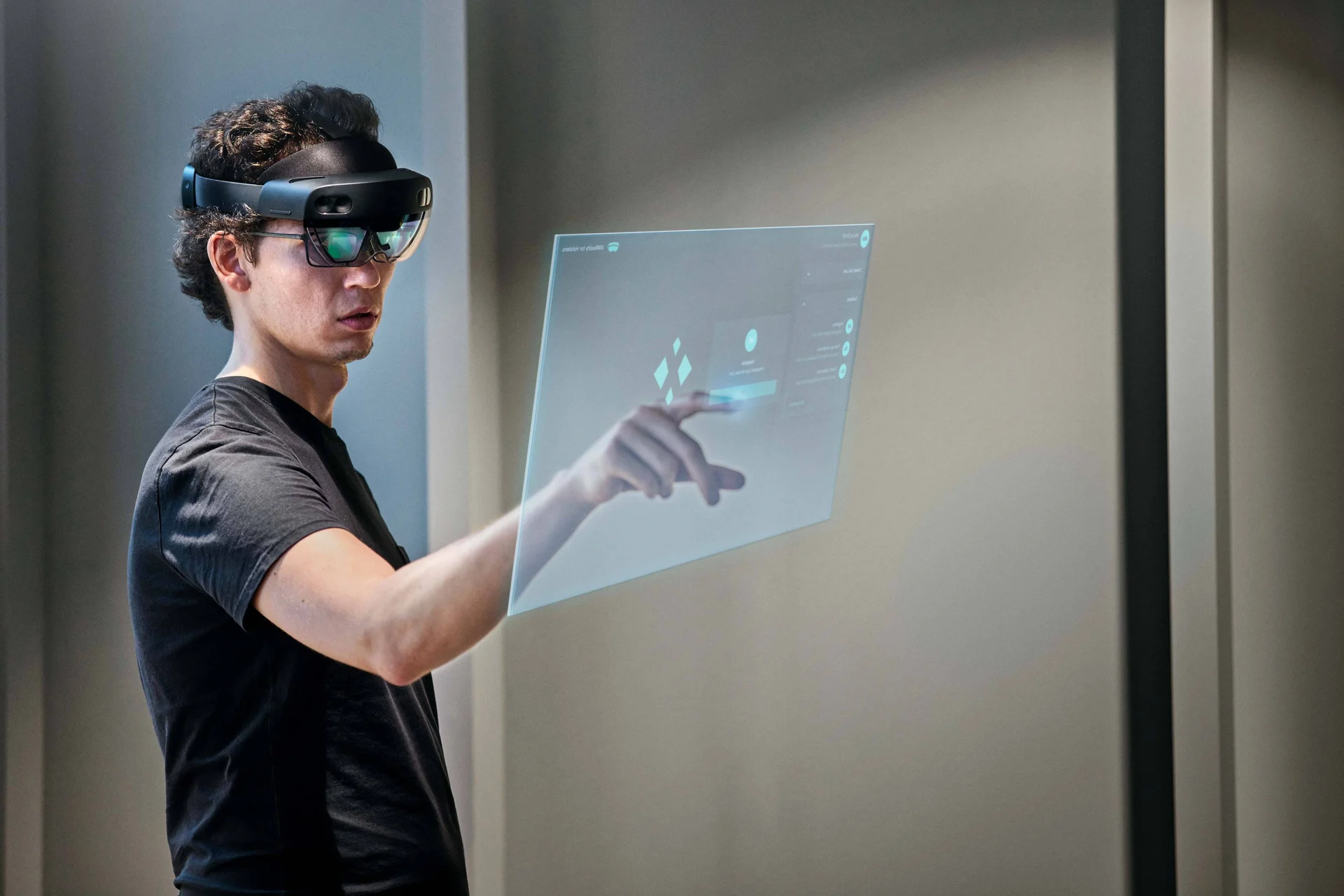
The Future of Augmented Reality in Everyday Life
Augmented reality is moving rapidly from experimental technology to a practical tool used in daily routines. By overlaying digital information onto the physical environment, augmented reality is transforming how people shop, learn, communicate, work, and navigate their surroundings. As hardware becomes lighter and software more intelligent, augmented reality is expected to become a natural extension of everyday digital interaction rather than a specialized feature.
Its growing accessibility through smartphones, wearable devices, and smart glasses is accelerating adoption across both consumer and professional environments.
Understanding Augmented Reality and How It Works
Augmented reality refers to technology that enhances the real world by adding digital content such as images, directions, objects, or data overlays in real time. Unlike virtual reality, which replaces the physical environment, augmented reality works alongside it.
Core components that enable augmented reality include
- Cameras and sensors that detect surroundings
- Processing software that interprets visual input
- Display systems such as smartphones or smart glasses
- Position tracking technologies for spatial accuracy
Together, these elements create interactive experiences that blend digital information with everyday environments.
Transforming Shopping Experiences
Retail is one of the sectors already benefiting from augmented reality integration. Consumers can now preview products in their homes before making purchases, which improves confidence and reduces return rates.
Augmented reality enhances shopping through
- Virtual furniture placement inside living spaces
- Digital try on for clothing and accessories
- Product visualization from multiple angles
- Instant access to product information in stores
As online and offline shopping experiences continue merging, augmented reality helps bridge the gap between physical inspection and digital convenience.
Enhancing Education and Learning Environments
Education is becoming more interactive through augmented reality applications that transform abstract ideas into visual experiences.
Key benefits in learning environments include
- Visualization of complex scientific structures
- Interactive historical reconstructions
- Real time language learning support
- Hands on technical training simulations
Students often understand concepts more quickly when information is presented visually rather than through text alone.
Improving Healthcare Support and Medical Training
Augmented reality is improving both clinical practice and healthcare education. Doctors and medical trainees can access layered visual guidance during procedures or simulations.
Important applications include
- Surgical navigation assistance
- Anatomy visualization for training
- Remote consultation support
- Patient education through visual explanations
These improvements increase procedural accuracy and enhance communication between professionals and patients.
Supporting Workplace Productivity
Augmented reality is becoming a valuable tool in professional environments where workers benefit from real time visual instructions and contextual information.
Workplace advantages include
- Step by step maintenance guidance
- Faster employee training programs
- Remote technical assistance
- Improved warehouse navigation efficiency
- Reduced operational errors
Industries such as manufacturing, logistics, and engineering are already integrating these solutions into daily workflows.
Transforming Navigation and Travel Experiences
Navigation systems are becoming more intuitive through augmented reality overlays that display directional guidance directly within the user’s surroundings.
Travel related benefits include
- Real time walking directions on streets
- Landmark identification during sightseeing
- Airport navigation assistance
- Public transport updates in context
These improvements reduce confusion in unfamiliar environments and help travelers move more confidently.
Strengthening Social Interaction and Communication
Augmented reality is also influencing how people connect digitally. Communication platforms are introducing visual overlays that enhance interaction without replacing physical presence.
Emerging social features include
- Interactive virtual meeting environments
- Real time translation overlays
- Shared digital objects during conversations
- Enhanced photo and video storytelling tools
These experiences support richer communication while maintaining connection to the physical world.
Advancements in Smart Glasses and Wearable Technology
Wearable augmented reality devices are expected to play a major role in the technology’s future adoption. As smart glasses become lighter and more affordable, they may replace some smartphone functions.
Expected developments include
- Hands free navigation assistance
- Instant contextual information display
- Real time notifications within view
- Workplace collaboration overlays
Wearable devices could make augmented reality a constant presence rather than an occasional tool.
Role of Artificial Intelligence in Augmented Reality Growth
Artificial intelligence strengthens augmented reality by improving object recognition, spatial mapping accuracy, and contextual awareness.
Important contributions from artificial intelligence include
- Better environment understanding
- Faster image processing performance
- Personalized information delivery
- Improved gesture recognition interaction
Together, these capabilities allow augmented reality systems to respond more naturally to user behavior and surroundings.
Challenges That Will Shape Future Adoption
Despite strong potential, several challenges still influence how quickly augmented reality becomes part of everyday routines.
Key challenges include
- Hardware affordability limitations
- Privacy concerns related to visual data capture
- Battery performance constraints
- Software compatibility requirements
- User adaptation and comfort considerations
Addressing these issues will determine how widely the technology spreads across global markets.
Long Term Impact on Daily Digital Interaction
Augmented reality is expected to shift how people interact with digital information by reducing dependence on traditional screens. Instead of switching between applications, users may access contextual data directly within their physical environment.
As technology improves, augmented reality will likely become integrated into communication systems, workplace tools, learning environments, and personal assistance platforms. This transformation suggests a future where digital information feels naturally embedded into everyday experiences.
Frequently Asked Questions
1. How is augmented reality different from mixed reality
Mixed reality combines augmented reality with deeper interaction between physical and digital objects, allowing users to manipulate virtual elements as if they were part of the real environment.
2. Can augmented reality work without internet connectivity
Some augmented reality applications function offline using stored data, but advanced features often require internet access for real time updates and processing.
3. Are augmented reality applications safe for children to use
Educational augmented reality tools designed for children are generally safe when supervised and used appropriately according to age recommendations.
4. Will augmented reality replace smartphones completely in the future
Augmented reality devices may reduce reliance on smartphones, but they are more likely to complement rather than fully replace them in the near future.
5. How does augmented reality support remote collaboration
Augmented reality allows teams to share visual instructions, annotate environments, and interact with digital objects together even when working from different locations.
6. What industries are investing the most in augmented reality development
Industries such as healthcare, retail, manufacturing, education, and transportation are leading adoption due to clear operational benefits.
7. Is augmented reality expensive to implement for businesses
Costs vary depending on hardware requirements and software complexity, but increasing accessibility of mobile based solutions is making adoption more affordable for many organizations.