
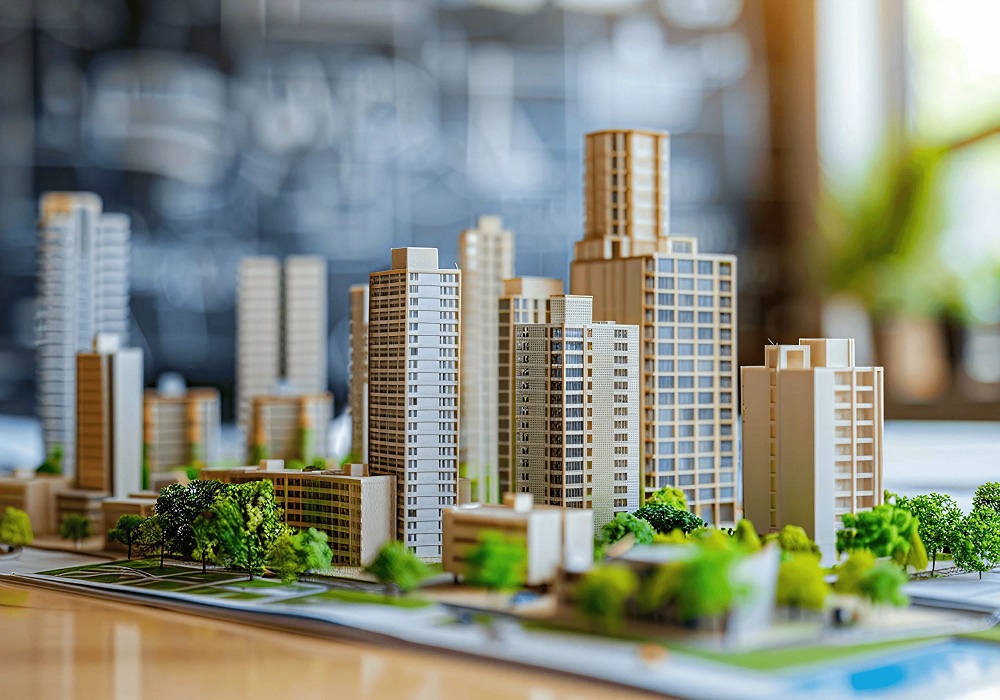
Sustainable construction is no longer a niche concept reserved for environmentally focused developers. It has become a central strategy for improving property performance, attracting buyers, lowering operating costs, and strengthening long-term asset value. As energy prices rise and environmental awareness grows, buildings designed with sustainability in mind consistently outperform traditional properties across multiple value indicators.
This article explains how sustainable building practices contribute directly to stronger real estate appreciation, higher occupancy demand, reduced lifecycle costs, and improved investor confidence.
What Are Sustainable Building Practices in Real Estate
Sustainable building practices refer to construction strategies that minimize environmental impact while maximizing efficiency, durability, and occupant well-being. These techniques influence everything from materials selection to energy systems and long-term maintenance planning.
Common sustainable features include:
- Energy-efficient insulation and glazing
- Solar panel integration
- Rainwater harvesting systems
- Smart lighting and HVAC automation
- Low-impact construction materials
- Green roofs and vertical gardens
- Natural ventilation planning
- Waste reduction during construction
These upgrades directly translate into measurable financial advantages over the building lifecycle.
Lower Operating Costs Increase Property Value
One of the strongest drivers of long-term property value is reduced operational expenditure. Sustainable buildings typically consume less electricity, water, and maintenance resources.
Key savings areas include:
- Reduced electricity bills through solar generation
- Lower cooling requirements due to insulation improvements
- Water savings through harvesting and recycling systems
- Lower repair frequency due to durable materials
When a building consistently costs less to operate, buyers and investors are willing to pay a premium because the property promises predictable long-term savings.
Over time, these cost reductions compound into significant financial value.
Higher Demand From Modern Buyers and Tenants
Today’s buyers are increasingly aware of environmental responsibility and personal wellness. Sustainable buildings appeal strongly to this demographic shift.
Properties with eco-friendly features often attract:
- Younger urban professionals
- Long-term tenants seeking lower utility costs
- Corporate tenants prioritizing ESG compliance
- Investors focused on future-ready assets
Higher demand naturally improves rental yield potential and resale pricing.
Energy Efficiency Improves Long-Term Investment Stability
Energy-efficient buildings protect owners from unpredictable utility cost fluctuations. As energy prices increase globally, efficient buildings maintain stronger profitability margins.
Examples of high-impact energy upgrades include:
- Solar power integration
- Smart temperature control systems
- LED lighting infrastructure
- Passive cooling design
- Orientation-based architectural planning
Investors increasingly treat energy-efficient buildings as lower-risk assets because their operating costs remain stable across economic cycles.
Sustainable Materials Increase Structural Longevity
Durable and environmentally responsible materials improve building lifespan while reducing repair frequency. This lowers lifecycle ownership costs and protects long-term capital value.
Examples include:
- Recycled steel structures
- Engineered timber
- Fly ash blended concrete
- Non-toxic interior finishes
- High-performance insulation systems
Buildings that age more slowly retain stronger resale value and require fewer major renovations over time.
Government Incentives Strengthen Financial Returns
Many regional authorities provide financial benefits to encourage sustainable construction adoption.
These incentives may include:
- Property tax reductions
- Faster construction approvals
- Subsidies for solar installation
- Green certification advantages
- Utility rebates
Such benefits directly improve investment returns and shorten payback periods for sustainable upgrades.
Green Certification Improves Market Credibility
Certified sustainable buildings often command stronger market positioning compared to conventional properties.
Recognized certification frameworks signal quality assurance to buyers and tenants. They confirm that the property meets measurable environmental and performance benchmarks.
Benefits of certified buildings include:
- Faster resale timelines
- Higher rental occupancy rates
- Improved tenant retention
- Stronger institutional investor interest
- Premium branding appeal
Market trust alone can significantly increase property competitiveness.
Healthier Indoor Environments Increase Occupant Retention
Indoor air quality, daylight exposure, and thermal comfort play a major role in tenant satisfaction.
Sustainable design improves:
- Natural ventilation flow
- Reduced exposure to harmful chemicals
- Better daylight penetration
- Acoustic comfort
- Temperature consistency
Satisfied occupants stay longer, reducing vacancy rates and improving long-term rental income stability.
Climate Resilience Protects Future Property Value
Climate-related risks are becoming an important factor in property valuation. Sustainable buildings are better prepared for extreme weather conditions and environmental stress.
Resilience-focused features include:
- Flood-resistant landscaping
- Heat-reflective roofing systems
- Efficient drainage planning
- Water recycling infrastructure
- Energy backup systems
Future-ready buildings retain stronger insurance eligibility and long-term desirability.
Higher Rental Yield From Sustainable Properties
Rental markets increasingly reward energy-efficient homes and offices.
Tenants often prefer sustainable buildings because they offer:
- Lower monthly utility bills
- Better indoor comfort
- Healthier living conditions
- Modern smart features
- Environmental responsibility alignment
These advantages allow property owners to justify higher rental pricing without reducing occupancy demand.
Stronger Long-Term Appreciation Compared to Conventional Buildings
Over extended ownership periods, sustainable buildings typically outperform traditional developments due to their lower operational costs, stronger tenant demand, regulatory readiness, and future adaptability.
Key appreciation drivers include:
- Lower maintenance requirements
- Energy independence potential
- Environmental compliance readiness
- Investor confidence growth
- Market differentiation advantages
As sustainability transitions from preference to expectation, these benefits continue strengthening property valuation.
Frequently Asked Questions
1. Do sustainable buildings cost more to construct initially
Yes, initial construction costs can be slightly higher, but long-term savings in utilities and maintenance usually offset this difference within a few years.
2. Can older buildings be converted into sustainable properties
Existing buildings can be upgraded through insulation improvements, solar installation, smart systems integration, and water conservation technologies.
3. Are sustainable homes easier to sell in modern markets
Properties with energy-efficient features and green certifications often sell faster because buyers recognize their long-term savings potential.
4. Do banks support financing for sustainable real estate projects
Many financial institutions now offer green financing programs with favorable terms for environmentally responsible construction projects.
5. How do solar panels influence property valuation
Solar installations reduce electricity expenses and increase buyer interest, which can positively influence resale pricing.
6. Is sustainable construction suitable for small residential projects
Yes, even small homes benefit from energy-efficient lighting, insulation upgrades, rainwater harvesting, and passive ventilation planning.
7. Will sustainability remain important for real estate value in the future
Environmental performance is becoming a standard expectation in real estate markets, making sustainability a long-term value driver rather than a temporary trend.


