
Auto: A Complete Guide to Modern Automotives, Maintenance, Technology, and Future Trends
The automobile industry continues to shape how people travel, work, and live. From fuel-powered engines to advanced electric mobility systems, the evolution of vehicles reflects technological innovation, environmental awareness, and changing consumer expectations. Understanding how modern vehicles function and how to maintain them properly helps drivers make smarter decisions and extend vehicle lifespan.
This article explores key aspects of automobiles, including types of vehicles, essential maintenance practices, safety features, emerging technologies, and the future direction of mobility.
Types of Automobiles Available Today
Vehicles are designed to serve different transportation needs. Selecting the right category depends on usage patterns, terrain conditions, budget, and fuel preferences.
Passenger Vehicles
These vehicles are commonly used for daily transportation and family travel.
Examples include:
- Hatchbacks
- Sedans
- SUVs
- Crossovers
Hatchbacks are compact and fuel-efficient, while SUVs provide better ground clearance and cargo space for rough roads and long-distance travel.
Commercial Vehicles
Commercial vehicles are built for transporting goods or passengers over longer distances.
Common types include:
- Pickup trucks
- Delivery vans
- Buses
- Heavy-duty trucks
They are engineered for durability and higher load capacity.
Electric Vehicles
Electric vehicles operate using rechargeable batteries rather than conventional fuel.
Advantages include:
- Lower running costs
- Reduced emissions
- Quiet operation
- Fewer moving mechanical parts
As charging infrastructure expands, adoption continues to increase worldwide.
Hybrid Vehicles
Hybrid vehicles combine an internal combustion engine with an electric motor.
Key benefits include:
- Improved fuel efficiency
- Reduced emissions
- Enhanced driving range compared to fully electric vehicles
They are especially useful where charging networks are still developing.
Essential Automobile Components Every Driver Should Understand
Understanding vehicle components improves maintenance awareness and helps identify potential issues early.
Engine
The engine generates power that moves the vehicle. Regular servicing improves performance and fuel efficiency.
Transmission
The transmission transfers engine power to the wheels. Automatic and manual transmissions require different maintenance schedules.
Braking System
Brake pads, discs, and fluid ensure safe stopping performance. Timely inspection prevents accidents.
Suspension System
Suspension absorbs shocks from uneven roads and improves ride comfort and vehicle stability.
Battery
The battery powers electrical systems such as lights, infotainment units, and ignition systems.
Importance of Regular Vehicle Maintenance
Routine maintenance increases safety, reliability, and fuel efficiency while reducing long-term repair costs.
Important maintenance practices include:
- Checking engine oil levels regularly
- Inspecting tire pressure and tread depth
- Replacing air filters periodically
- Monitoring brake condition
- Servicing cooling systems
Preventive maintenance significantly extends vehicle life.
Modern Safety Features in Automobiles
Automobile safety technology has improved dramatically in recent years. These systems reduce accident risk and protect passengers during emergencies.
Common safety features include:
- Anti-lock braking system
- Electronic stability control
- Airbags
- Lane departure warning systems
- Adaptive cruise control
- Rear parking sensors and cameras
Advanced driver assistance systems continue to improve road safety standards globally.
Fuel Efficiency Tips for Vehicle Owners
Improving fuel efficiency reduces expenses and environmental impact.
Practical strategies include:
- Maintaining correct tire pressure
- Avoiding aggressive acceleration
- Reducing unnecessary vehicle load
- Servicing the engine regularly
- Using recommended engine oil
Consistent driving habits play an important role in fuel savings.
Role of Automotive Technology in Modern Vehicles
Technology has transformed vehicles into intelligent mobility platforms.
Key innovations include:
Connected Car Systems
Modern vehicles integrate smartphone connectivity, navigation assistance, and remote diagnostics.
Driver Assistance Technologies
These technologies help drivers avoid collisions and maintain safer driving conditions.
Examples include:
- Automatic emergency braking
- Blind spot monitoring
- Adaptive headlights
Infotainment Systems
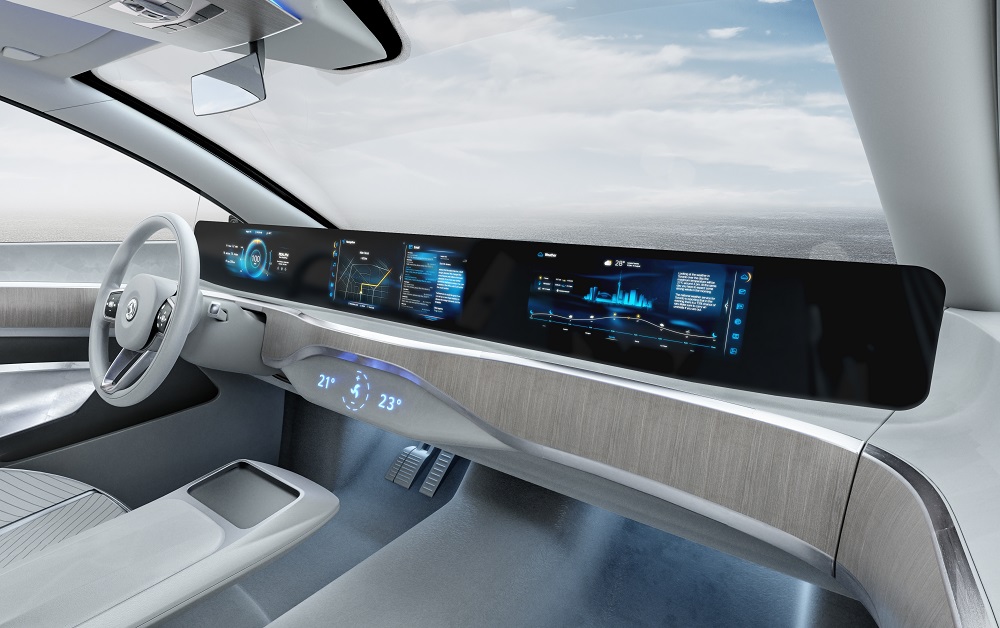
Touchscreen interfaces provide entertainment, navigation, and communication tools for passengers.
Environmental Impact of Automobiles
Traditional vehicles contribute to air pollution through fuel combustion emissions. Governments and manufacturers are responding with cleaner technologies.
Sustainable automotive solutions include:
- Electric vehicles
- Hybrid engines
- Alternative fuels
- Lightweight vehicle materials
Reducing emissions remains a priority for the global automotive sector.
Future Trends in the Automobile Industry
The automotive industry is undergoing rapid transformation driven by innovation and sustainability goals.
Important future developments include:
Autonomous Vehicles
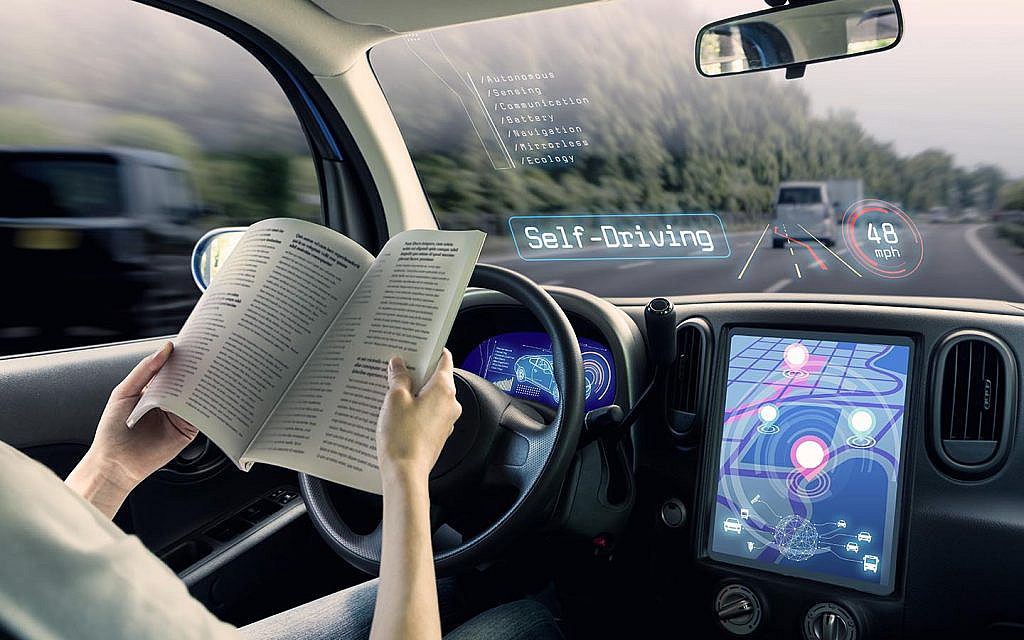
Self-driving technology aims to improve safety and reduce traffic congestion.
Electrification
Electric mobility continues expanding as battery technology improves.
Shared Mobility Services
Ride-sharing platforms are changing vehicle ownership patterns in urban areas.
Hydrogen Fuel Technology
Hydrogen-powered vehicles offer fast refueling and long driving range potential.
How to Choose the Right Automobile
Selecting the right vehicle depends on multiple personal factors.
Consider the following before purchasing:
- Budget and ownership costs
- Fuel type availability
- Driving environment
- Passenger capacity needs
- Safety ratings
- Maintenance requirements
Careful evaluation ensures long-term satisfaction with the vehicle.
Frequently Asked Questions
What is the ideal servicing interval for most automobiles
Most vehicles require servicing every 5,000 to 10,000 kilometers depending on manufacturer recommendations and driving conditions.
How long does a typical car battery last
A standard vehicle battery usually lasts between three and five years with proper maintenance.
Are electric vehicles suitable for long-distance travel
Yes, modern electric vehicles support long-distance travel when supported by adequate charging infrastructure along the route.
What factors affect vehicle resale value
Resale value depends on brand reputation, service history, mileage, accident record, and overall vehicle condition.
Why is wheel alignment important for vehicles
Proper wheel alignment improves tire life, fuel efficiency, and driving stability.
How can drivers improve vehicle safety during night travel
Drivers should maintain clean headlights, avoid high speeds, and ensure windshield visibility remains clear.
What documents are essential when owning a vehicle
Important documents include registration certificate, insurance policy, driving license, pollution certificate where applicable, and service records.