
The Role of Artificial Intelligence in Modern Cars
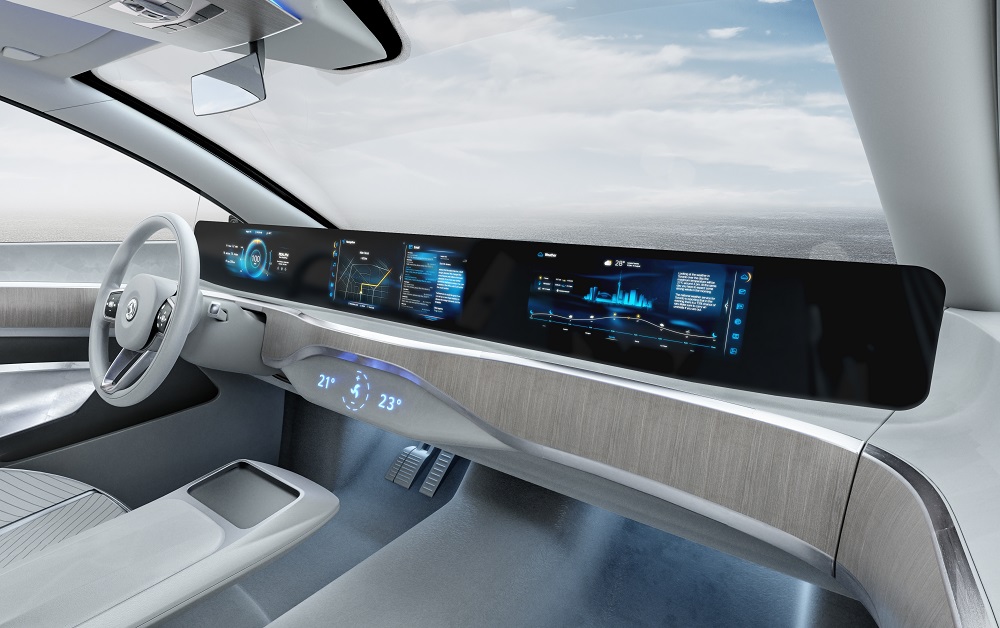
Artificial Intelligence is transforming the automotive industry by making vehicles safer, smarter, and more efficient. Modern cars are no longer simple mechanical machines. They are intelligent systems capable of analyzing surroundings, assisting drivers, improving navigation, and enhancing overall driving comfort.
As automotive manufacturers continue to invest in digital innovation, Artificial Intelligence is becoming central to how vehicles operate, communicate, and respond to real-world driving conditions.
What Artificial Intelligence Means in the Automotive Context
Artificial Intelligence in cars refers to software systems that analyze data from sensors, cameras, radar, and onboard computers to make driving decisions or assist drivers in real time.
These systems allow vehicles to:
- Recognize road conditions
- Detect obstacles
- Monitor driver behavior
- Optimize fuel efficiency
- Improve passenger comfort
Instead of relying only on human control, modern vehicles now combine human input with intelligent automation.
AI Powered Driver Assistance Systems
One of the most important applications of Artificial Intelligence in modern vehicles is Advanced Driver Assistance Systems.
These systems continuously monitor the vehicle environment and support the driver during travel.
Common AI assisted safety technologies include:
Lane Keeping Assistance
Lane keeping systems detect road markings and gently steer the vehicle back if it begins drifting unintentionally.
Adaptive Cruise Control
Adaptive cruise control adjusts vehicle speed automatically to maintain a safe distance from the vehicle ahead.
Automatic Emergency Braking
This feature identifies potential collisions and applies brakes automatically if the driver does not respond quickly.
Blind Spot Monitoring
Sensors detect vehicles outside the driver’s field of vision and provide alerts before lane changes.
These technologies significantly reduce accident risks on highways and city roads.
AI in Autonomous Driving Technology
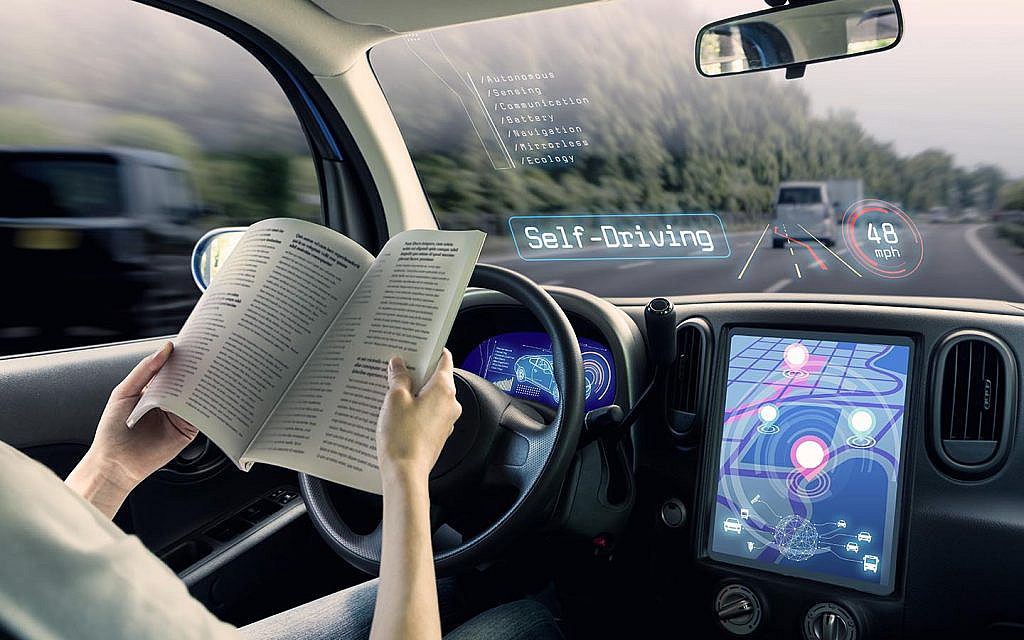
Autonomous driving represents one of the most advanced uses of Artificial Intelligence in automobiles. Self driving systems rely on machine learning algorithms that interpret data from multiple sensors simultaneously.
Key capabilities of autonomous systems include:
- Recognizing traffic signals
- Identifying pedestrians and cyclists
- Mapping road environments
- Predicting movement of nearby vehicles
- Making real time driving decisions
Although fully autonomous vehicles are still developing, partial automation features are already widely available.
AI Based Predictive Maintenance
Artificial Intelligence helps vehicles monitor their own mechanical condition. Predictive maintenance systems analyze engine performance, battery health, tire pressure, and braking behavior to detect early warning signs of problems.
Benefits of predictive maintenance include:
- Reduced repair costs
- Fewer unexpected breakdowns
- Improved vehicle reliability
- Extended component lifespan
Drivers receive alerts before issues become serious, allowing timely servicing.
Smart Navigation and Traffic Management
Artificial Intelligence enhances navigation systems by analyzing real time traffic patterns and recommending optimal travel routes.
Modern navigation systems can:
- Predict traffic congestion
- Suggest alternate routes
- Estimate arrival times accurately
- Identify nearby fuel stations and charging points
These features help drivers save time and reduce fuel consumption.
Voice Assistants and In Car Personalization
AI powered voice assistants allow drivers to control vehicle functions without removing their hands from the steering wheel.
Drivers can use voice commands to:
- Adjust climate settings
- Control infotainment systems
- Make phone calls
- Set navigation destinations
- Play music
Artificial Intelligence also learns driver preferences over time and automatically adjusts seat position, temperature, and entertainment settings.
AI and Vehicle Safety Monitoring
Driver monitoring systems use cameras and sensors to observe driver attention levels. These systems detect signs of fatigue or distraction and provide alerts when necessary.
Important safety improvements include:
- Drowsiness detection alerts
- Attention tracking systems
- Collision prediction technology
- Pedestrian recognition systems
These features improve road safety for both drivers and pedestrians.
Role of AI in Electric Vehicle Efficiency
Artificial Intelligence plays an important role in improving electric vehicle performance and battery management.
AI systems help by:
- Optimizing battery usage
- Predicting driving range accurately
- Identifiying nearby charging stations
- Managing regenerative braking efficiency
These improvements make electric vehicles more practical for everyday use.
Future Developments of Artificial Intelligence in Cars
Artificial Intelligence will continue shaping the future of transportation through deeper automation and smarter connectivity.
Expected developments include:
Fully Autonomous Driving Systems
Future vehicles may operate without human intervention in most driving conditions.
Vehicle to Vehicle Communication
Cars will exchange information about road hazards, traffic conditions, and accidents in real time.
Intelligent Traffic Infrastructure Integration
Vehicles will interact with smart traffic signals and city management systems to improve mobility efficiency.
Personalized Driving Experiences
Artificial Intelligence will adapt vehicle behavior based on individual driver habits and preferences.
These advancements will make transportation safer, more efficient, and more convenient.
Frequently Asked Questions
How does Artificial Intelligence improve fuel efficiency in modern cars
Artificial Intelligence improves fuel efficiency by analyzing driving behavior, optimizing engine performance, and suggesting efficient routes based on real time traffic data.
Can Artificial Intelligence prevent road accidents completely
Artificial Intelligence significantly reduces accident risks through monitoring and assistance systems, but it cannot eliminate accidents entirely because human decisions and environmental factors still play a role.
Do AI features increase the cost of vehicles
Vehicles equipped with advanced Artificial Intelligence technologies may have higher initial costs, but they often reduce long term maintenance expenses and improve safety value.
Is Artificial Intelligence used in parking assistance systems
Yes, modern vehicles use Artificial Intelligence powered sensors and cameras to support automatic parking and obstacle detection.
Are AI powered vehicles secure from cyber threats
Manufacturers implement cybersecurity measures such as encryption and secure software updates to protect connected vehicles from digital threats.
Does Artificial Intelligence work without internet connectivity in cars
Many safety related Artificial Intelligence systems operate independently of internet access, although connected features like navigation updates require network support.
Will Artificial Intelligence replace human drivers in the future
Artificial Intelligence may reduce the need for manual driving in some situations, but human supervision is expected to remain important for many years.